
Return on Investment (ROI) in Women’s Health Research

Supporting smarter investments in women’s health research
Partnership for Women’s Health Research (PWHR) is supporting the development of Canada’s first prospective microsimulation modelling framework to estimate the long-term return on investment (ROI) in women’s health research.
About the Initiative

Led by postdoctoral fellow Dr. Nan Chen and guided by a multidisciplinary National Advisory Committee, the project estimates how greater investment in women’s health research today could improve health outcomes, reduce healthcare costs, and create broader social and economic benefits in the future. Unlike studies that examine the impact of past research investments, this framework estimates the potential benefits of future investments.
The framework uses microsimulation modelling to follow the health journeys of virtual individuals over their lifetimes. By incorporating individual characteristics, it captures differences in disease progression and healthcare use, allowing for more accurate estimates of long-term health and economic outcomes.
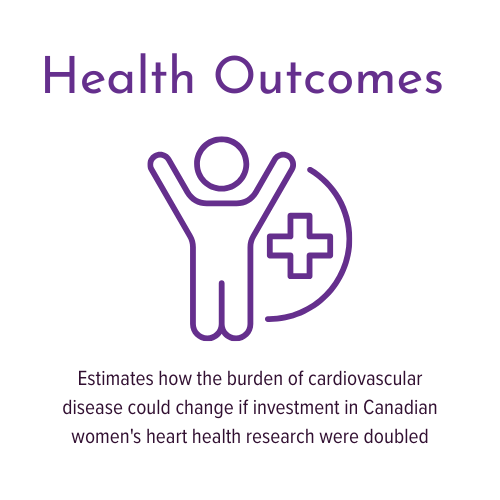
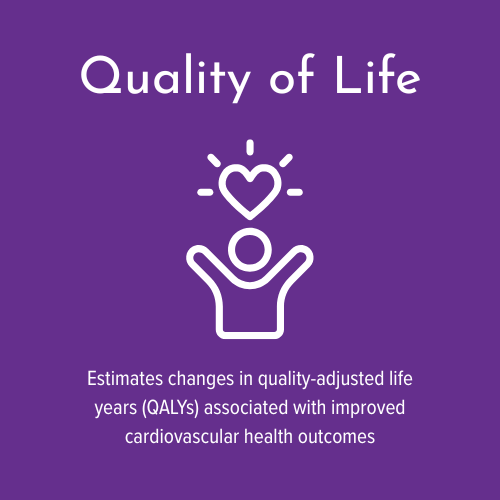
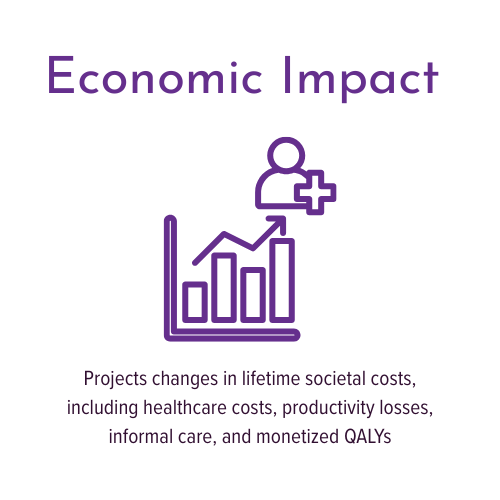
Through a collaboration with Statistics Canada, Dr. Chen used the POHEM (POpulation HEalth Model), a specialized microsimulation model that reflects the demographics, behaviours, and life trajectories of the Canadian population. The framework simulates the potential health and economic impacts of a hypothetical doubling of research investment using expert-informed assumptions about how increased research could improve cardiovascular health outcomes. Because the framework is flexible, it can be adapted to study other women’s health conditions.
Cardiovascular Disease Case Study
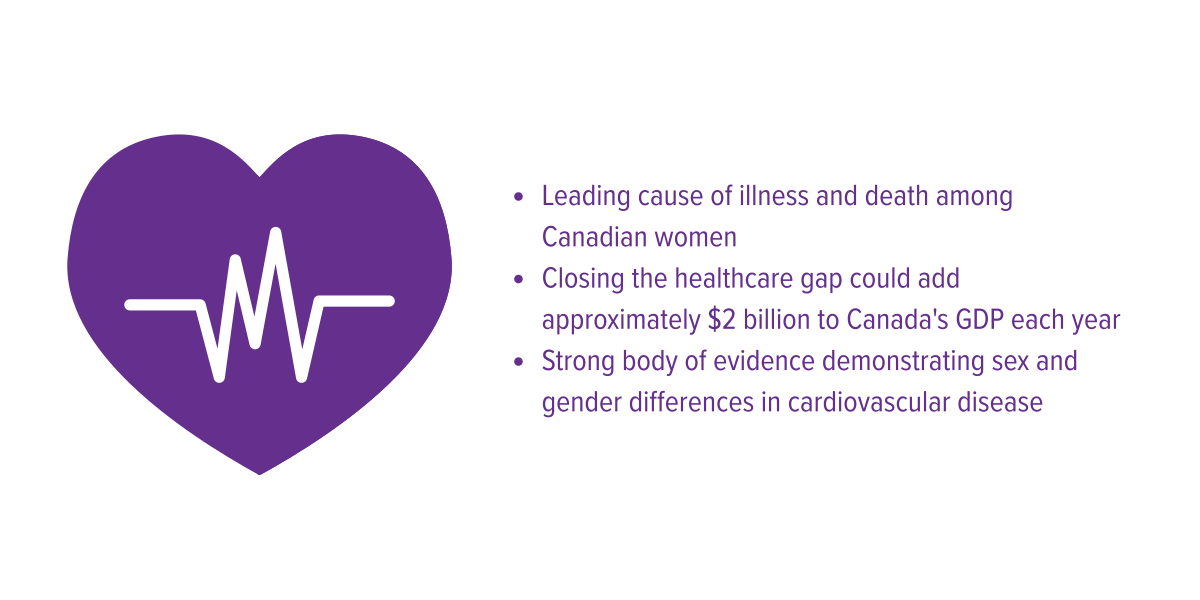
Cardiovascular disease was selected as the first case study because it is one of the leading causes of illness and death among Canadian women and has significant impacts on individuals, families, and the healthcare system. Sex and gender differences in symptoms, less accurate and timely diagnosis, and reduced effectiveness of treatment because of knowledge gaps results in poor health outcomes for women. Closing these gaps has the potential to improve health while generating substantial economic benefits. Reducing inequities in cardiovascular care for women could add approximately $2 billion to Canada’s GDP each year.
Using cardiovascular disease as the first application demonstrates how the modelling framework can estimate the long-term health, social, and economic value of investing in women’s health research. The framework is designed to be expanded to additional women’s health priorities over time.
Collaboration
This initiative was developed through a collaborative process involving researchers, clinician-scientists, and other experts from across Canada. A multidisciplinary National Advisory Committee guides the development of the modelling framework by reviewing the best available evidence, providing expert input, and helping ensure the model reflects current scientific knowledge and real-world healthcare.
By bringing together expertise in women’s health research, cardiovascular health, health economics, epidemiology, public policy, and population health modelling, the advisory committee helps ensure the framework is scientifically rigorous, transparent, and relevant to decision-makers.

- Dr. Sofia B. Ahmed, Partnership for Women’s Health Research Canada, Women and Children’s Health Research Institute, University of Alberta
- Dr. Lori A. Brotto, Partnership for Women’s Health Research Canada, Women’s Health Research Institute, University of British Columbia
- Lisa Comber, Canadian Women’s Heart Health Alliance
- Dr. Gillian E. Hanley, Partnership for Women’s Health Research Canada, Women’s Health Research Institute, University of British Columbia
- Dr. Paula J. Harvey, Partnership for Women’s Health Research Canada, Research and Innovation Institute at Women’s College Hospital, University of Toronto
- Dr. Deirdre Hennessy, Statistics Canada
- Dr. Tamil Kendall, Partnership for Women’s Health Research Canada
- Dr. Frank P. MacMaster, Partnership for Women’s Health Research Canada, IWK Health, Dalhousie University
- Dr. Colleen M. Norris, Partnership for Women’s Health Research Canada, Women and Children’s Health Research Institute, University of Alberta, Canadian Women’s Heart Health Alliance
- Dr. Rachel Ollivier, Partnership for Women’s Health Research Canada, Women’s Health Research Institute, BC Women’s Hospital + Health Centre, University of British Columbia
- Dr. Rulan S. Parekh, Partnership for Women’s Health Research Canada, Women’s College Hospital, The Hospital for Sick Children
- Emilie Théberge, Partnership for Women’s Health Research Canada, Women’s Health Research Institute, University of British Columbia
- Dr. Wei Zhang, Partnership for Women’s Health Research Canada, Women’s Health Research Institute, Centre for Advancing Health Outcomes, University of British Columbia
Interested in Collaborating?
PWHR is interested in collaborating with researchers across Canada and beyond to apply the microsimulation modelling framework to additional women’s health priorities. For more information about the framework or to discuss partnership opportunities, please contact communications@pwhr.org.

This research is supported by Mitacs.


Follow Us:
Copyright © 2025 Partnership for Women’s Health Research. All rights reserved.