
WOMEN’S HEALTH RESEARCH
What is women’s health research and why is it important?
Women’s health research aims to improve health and wellbeing throughout a woman’s life. This research extends beyond reproductive health
(pregnancy, contraception, menstruation, menopause) to include conditions that affect women differently than men, conditions that primarily affect women, and health issues that occur throughout lives of women, trans and non-binary people. This includes cancers, heart disease, mental and brain health, autoimmune diseases, chronic pain, menopause, healthy aging, and various aspects of health and well-being. As a whole, women’s health research helps us understand how to prevent, diagnose, and treat disease to support healthier lives for women.
Women’s health research asks questions like:
- Why are women more likely to develop autoimmune diseases?
- How do heart attack symptoms and outcomes differ based on gender?
- Why are some chronic pain conditions diagnosed later in women?
- How can menopause symptoms be better managed?
- How can healthcare become more equitable for women from different communities?
Differences in sex (biological attributes such as hormones and physiology) and gender (social, cultural, and personal experiences) influence disease risk, prevention, access to health care and services, diagnosis, treatment, and overall health outcomes.1

A brief history of women’s health research
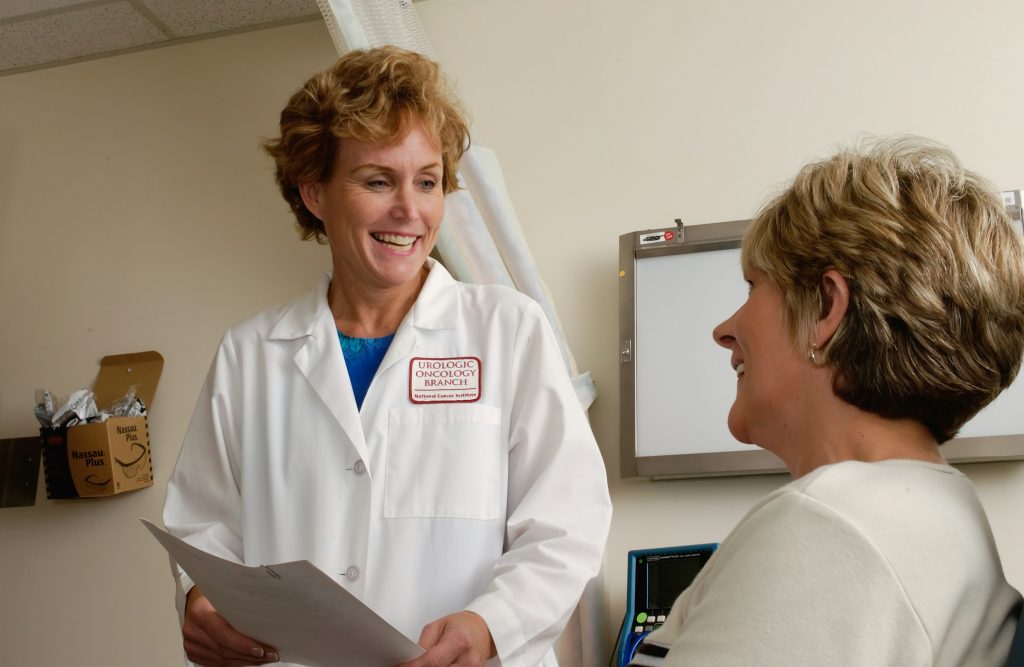
Historically, women and female animals were excluded from research on diseases, medical devices, and medications used by all sexes and genders. As a result, much of what we know about health and healthcare has been based on research studying men.
For example, chest pain was thought to be the main symptom of a heart attack. While women can experience chest pain, they are more likely to exhibit symptoms such as shortness of breath, nausea, and pain between the shoulder blades.2 Other cardiovascular conditions, such as microvascular dysfunction, are more common in women but often missed by standard diagnostic tests. Together, these differences in symptom presentation and gaps in diagnostic testing can contribute to delayed diagnosis, delayed treatment, and poorer health outcomes for women.
Although, various Canadian policies in the 1990s and 2000s increased the consideration of sex and gender in health research,3–5 there are still gaps in understanding how men and women experience diseases and how gender influences health and disease.
The state of women’s health research in Canada
Despite its importance, women’s health research remains underfunded in Canada. Between 2009 and 2020, the proportion of Canadian Institutes of Health Research (CIHR) funding dedicated to women’s health research remained largely unchanged.6 As of 2023, only 7% of all CIHR funding supported women’s health research.7 Of all funding, 2% was dedicated to cancers that affect women, while only 2.45% supported research on the other leading causes of illness and death affecting women.7

How the Partnership for Women’s Health Research Canada is Making a Difference

At the Partnership for Women’s Health Research Canada, we recognize that women spend approximately 24% more of their lives in poor health than men. Improving women’s health has the potential to benefit not only individuals and families but society as a whole. Research that better reflects biological differences and the diversity of people’s experiences leads to safer medications, more accurate diagnoses, and better healthcare for everyone. Research suggests that closing the women’s health gap and reducing the time women spend in poor health could increase Canada’s GDP by $37 billion annually by 2040.8 Knowledge generation and mobilization are critical to close the women’s health gap.
Our mission is to advance research and innovation that improves the health of women, transgender, and non-binary people across their lifespans. Every day, we work to generate new knowledge and transform healthcare practice, policy, and systems to create more equitable health outcomes in Canada and around the world.
PARTNER INSTITUTION RESEARCH STRENGTHS
PWHR’s partner institutions support research excellence and bring together leaders from many disciplines and fields of women’s health. Among the areas where our Pan-Canadian partnership leverages research strengths across the country and globally to improve prevention, diagnosis, treatment and care are:
- AGING in women.
- CANCERS including those that are experienced primarily or exclusively by females, such as breast, cervical and ovarian cancer.
- CARDIOMETABOLIC CONDITIONS, for example diabetes, hypertension and cardiovascular disease in women (including during pregnancy).
- CHRONIC PAIN, INFLAMMATORY, AND AUTOIMMUNE CONDITIONS, which are experienced disproportionately by women, including chronic pelvic pain and endometriosis.
- MENTAL AND BRAIN HEALTH across the lifespan, encompassing the early years, adolescence, the perinatal period, menopause, and among among older women.
- SEXUALITY AND REPRODUCTION, including studies of sexuality, contraception, abortion and childbirth as well as prevention, treatment, and living well with gynecological conditions and infectious diseases (such as the human papilloma virus and the human immunodeficiency virus, among others).
- THE HEALTH OF PREGNANT WOMEN AND PEOPLE is a pillar of reproductive health research that brings together a broad community of basic scientists, clinician-scientists, epidemiologists, and social scientists across the research institutes.



The Partnership for Women’s Health Research Canada uses the term women to refer to all people who identify as women. We use transgender and non-binary as umbrella terms to refer to people with a wide range of gender identities that are different from the gender they were assigned at birth.
This is a living document and we welcome feedback. For more information or to provide input, please contact tkendall@pwhr.org.
Follow us:
Copyright © 2025 Partnership for Women’s Health Research. All rights reserved.